
Maximising the OLE Network: Why Maintenance Matters Through a Period of Transition
UK rail is going through a period of change, with ownership and structure shifting as the industry moves toward Great British Railways, and funding for major schemes being reviewed and reprioritised along the way. Whatever shape that transition takes, the demand on the existing OLE network hasn’t paused to wait for it. Around 38% of the UK rail network is already electrified, and that infrastructure has to keep performing regardless of what stage the wider reforms are at.
That shifts the priority toward what the industry sometimes calls asset sweating: getting maximum reliability and lifespan out of the OLE already in the ground, rather than waiting for new build to solve the problem. For OLE maintenance and inspection teams, that means more inspection, more preventative maintenance, and doing both without eating further into an already tight possession window.
The tools available for this work have moved on. Pole-mounted, wireless, and ground-level equipment now allows much of this maintenance and inspection to happen without the access equipment, time, or Road-Rail Vehicle requirements that used to be the default. Less time setting up, more time on the actual repair, and less spent hiring an RRV for tasks that no longer need one.
Horizon supplies the full range of equipment supporting this shift. Here’s what that looks like in practice.
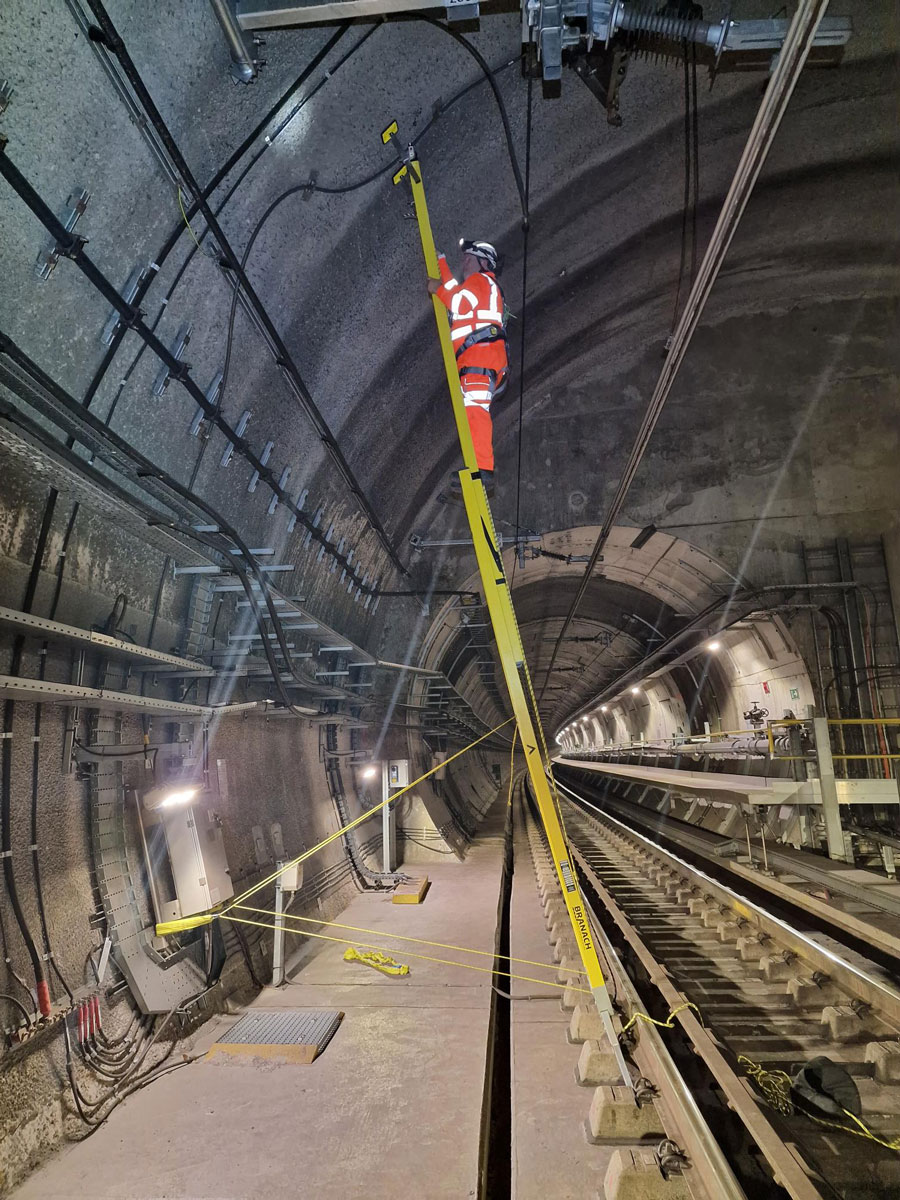
Telescopic live line pole sets
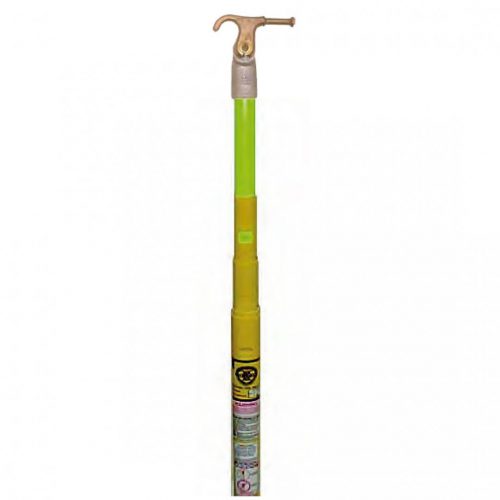
At the centre of every pole-mounted job is the same piece of engineering: a telescopic fibreglass rod with a universal head. That head is compatible with hundreds of attachments, from earthing clamps to cameras, torque wrenches to cutting heads, which is why one rod can end up doing the work of a dozen different tools depending on what’s fitted to the end of it.
The build itself is triangular, giving the rod the rigidity it needs at full extension without adding unnecessary weight. Sections are removable, with total reach available up to 50 ft.
That modularity matters on site. A job that only needs 25 ft of reach doesn’t need the full 50 ft in hand. Leave the extra sections, and the extra weight, at home. Carry what the job calls for, not what the kit allows for.
It’s a simple bit of design thinking, but it’s the reason the telescopic rod has become the platform underneath so much of today’s ground-level OLE equipment: one head, one build, adaptable to whatever the task in front of you actually needs.
Inspection and diagnostics
Knowing the true condition of OLE assets used to mean a visual inspection at height, or an educated guess based on age and mileage. Now teams can gather precise, repeatable data from the ground:
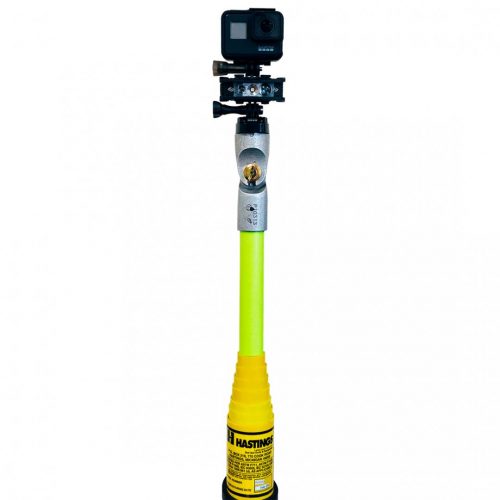
Wireless pole-mounted inspection camera – for aerial equipment inspections without the need to work at height.
Wireless pole-mounted contact wire wear measuring tool – measures critical contact wire wear directly, replacing estimation with hard data.
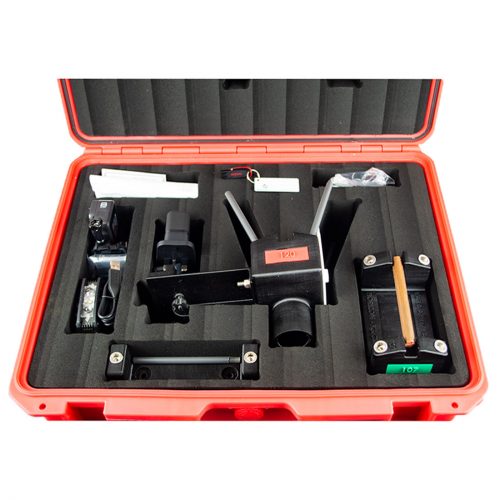
Pole-mounted wireless conductor tension reading tool – enables conductor tension readings from ground level using live line poles.
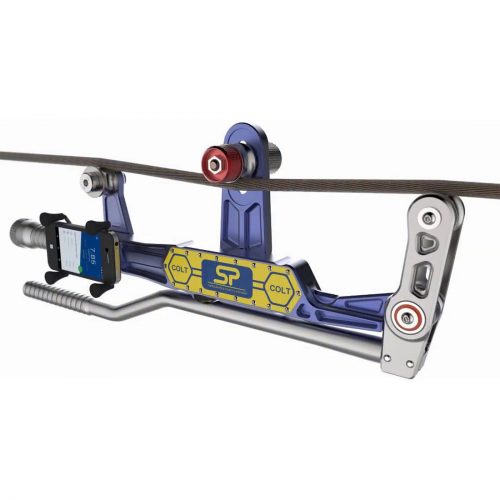
Together, these tools mean condition monitoring can happen more often, with better accuracy, and without the access requirements that used to make it disruptive.
Maintenance and torque
Routine maintenance tasks that once required access equipment or a Road-Rail Vehicle can now be carried out from the ground, in less time and without the cost of hiring an RRV, with a full data trail to prove the work was done correctly. In a tight possession window, that’s not just a convenience, it’s more actual repair time per shift and a lower bill per job:
Pole-mounted aerosol lubrication grease application tool – applies grease to OLE components without the need for a Road-Rail Vehicle.
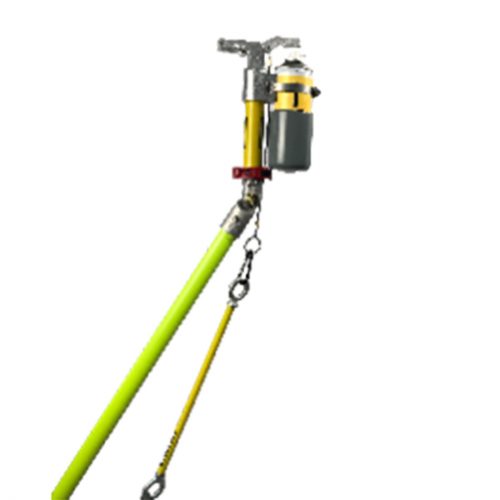
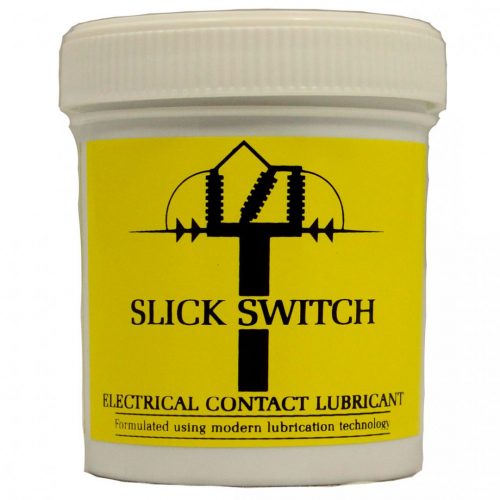
Pole-mounted grease brush – for applying contact switchblade grease, again removing the requirement for an RRV.
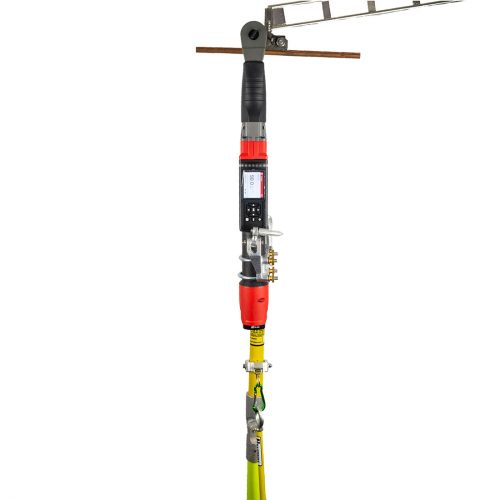
Pole-mounted wireless rotary torque wrench with Bluetooth data logging – enables nut and bolt replacement and torque checks from ground level, with a digital record of every reading.
Cutting and vegetation management
Vegetation and unwanted contact with conductors, droppers, or contact wire is one of the more persistent risks to OLE reliability. Ground-level tools reduce the need to work close to live equipment to manage it:
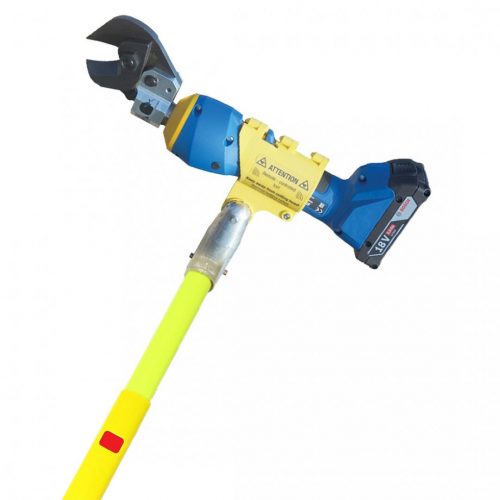
Pole-mounted wireless conductor, contact wire, dropper and vegetation cutting tools – for controlled cutting and clearance work at height, operated from the ground.
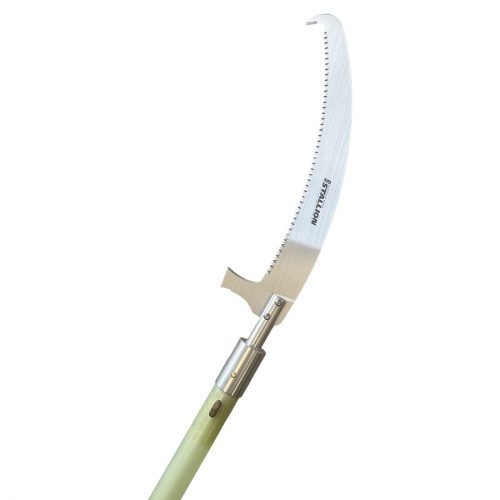
Pole saws and pruners – for vegetation removal on or in proximity to OLE, without requiring access equipment.
Insulation, protection and illumination
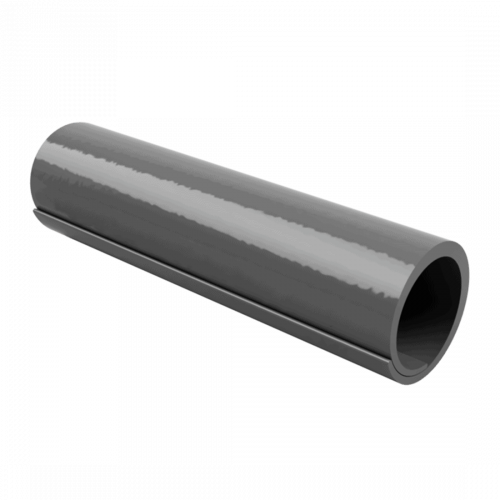
Pole-mounted tools for application of high-voltage silicone conductor shrouding – improves insulation and protection on live conductors, applied from ground level.
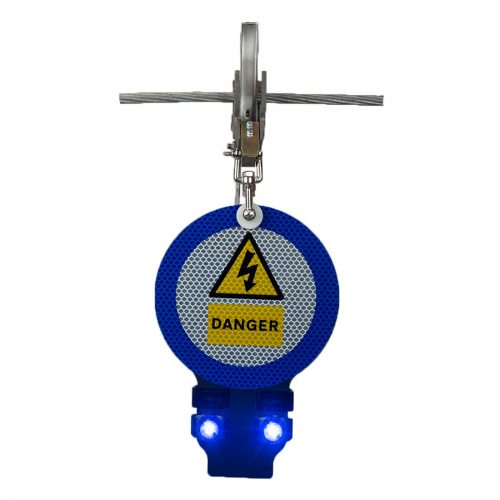
Demarcation lights for illumination of live line areas – supports safe working in low-light and night possessions.
Access and fall protection
Where teams do still need to work at height, the equipment itself is designed to protect them:
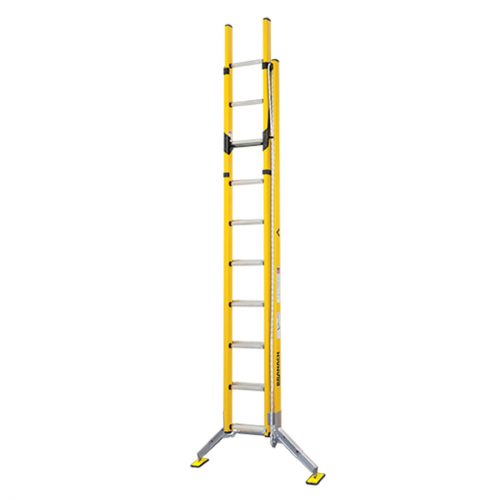
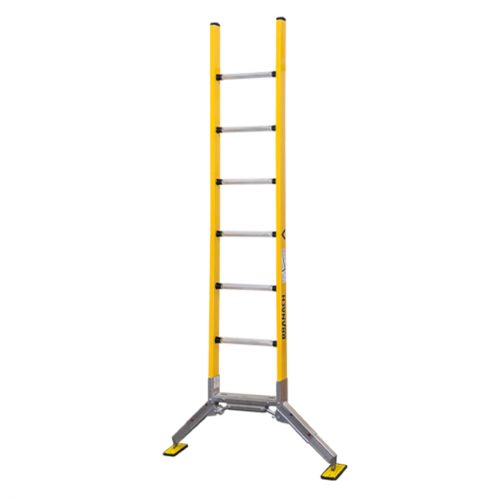
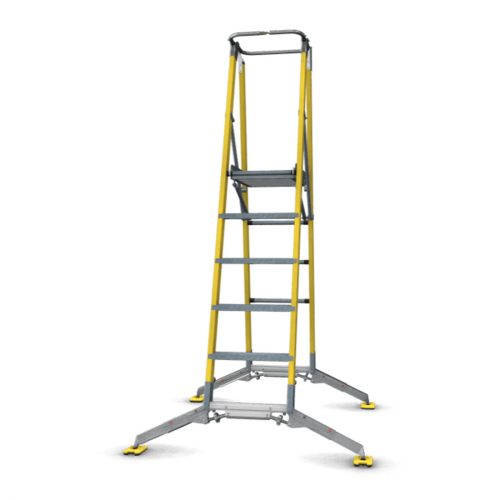
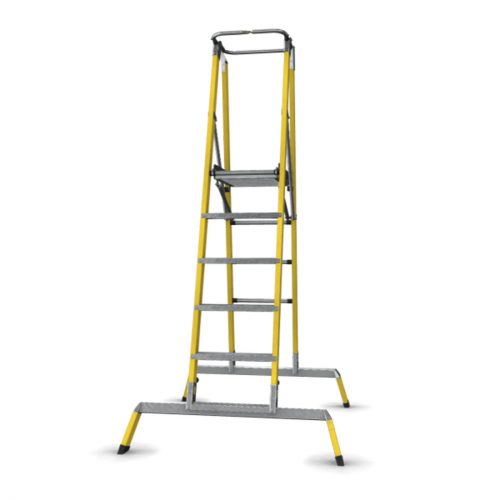
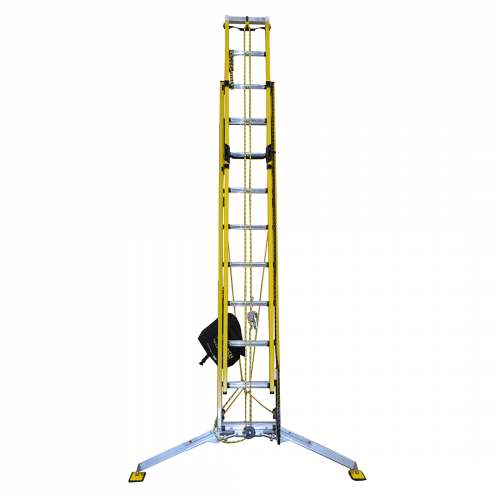
Fibreglass safety ladders with integrated fall arrest and restraint – combining safe access with built-in protection should a fall occur. An adjustable base means the ladder can be levelled and stabilised on uneven ground or ballast, so crews aren’t compromising.
Why this matters now?
None of this is about replacing skilled OLE teams. It’s about giving them tools that make the most of a limited window: better data, less time spent setting up or working at height, and less spent on RRV hire for tasks that no longer need one.
Whatever pace the wider electrification programme moves at, the network already in the ground has to keep performing, and the teams maintaining it need equipment that matches that reality. Investing in the right tools now also keeps that expertise and supply chain ready for when the pipeline scales up again.
Horizon has been supplying specialist tools and equipment to the electricity supply industry for over 30 years, and this range reflects where OLE maintenance and inspection is heading. Some products already carry PADS approval, while others would require sponsorship or formal approval before use on the rail network.
Where there is a clear operational need, Horizon would be pleased to support evaluation, trials, and the route to approval. If your team is reviewing its equipment ahead of the next control period, we’d be glad to talk through what fits.
Get in touch: contactus@hor-i-zon.com or +44 (0) 1275 342 700